Before you go
Do I need to know how to swim to go snorkeling?
Floating is not swimming. Understanding this difference is the first step toward replacing uncertainty with a calm, well-supervised experience.
On many snorkeling tours, knowing how to swim is not required. Buoyancy equipment and guidance reduce effort and help visitors stay on the surface. Even so, each activity has its own rules, which should be confirmed before booking.
Floating is different from swimming
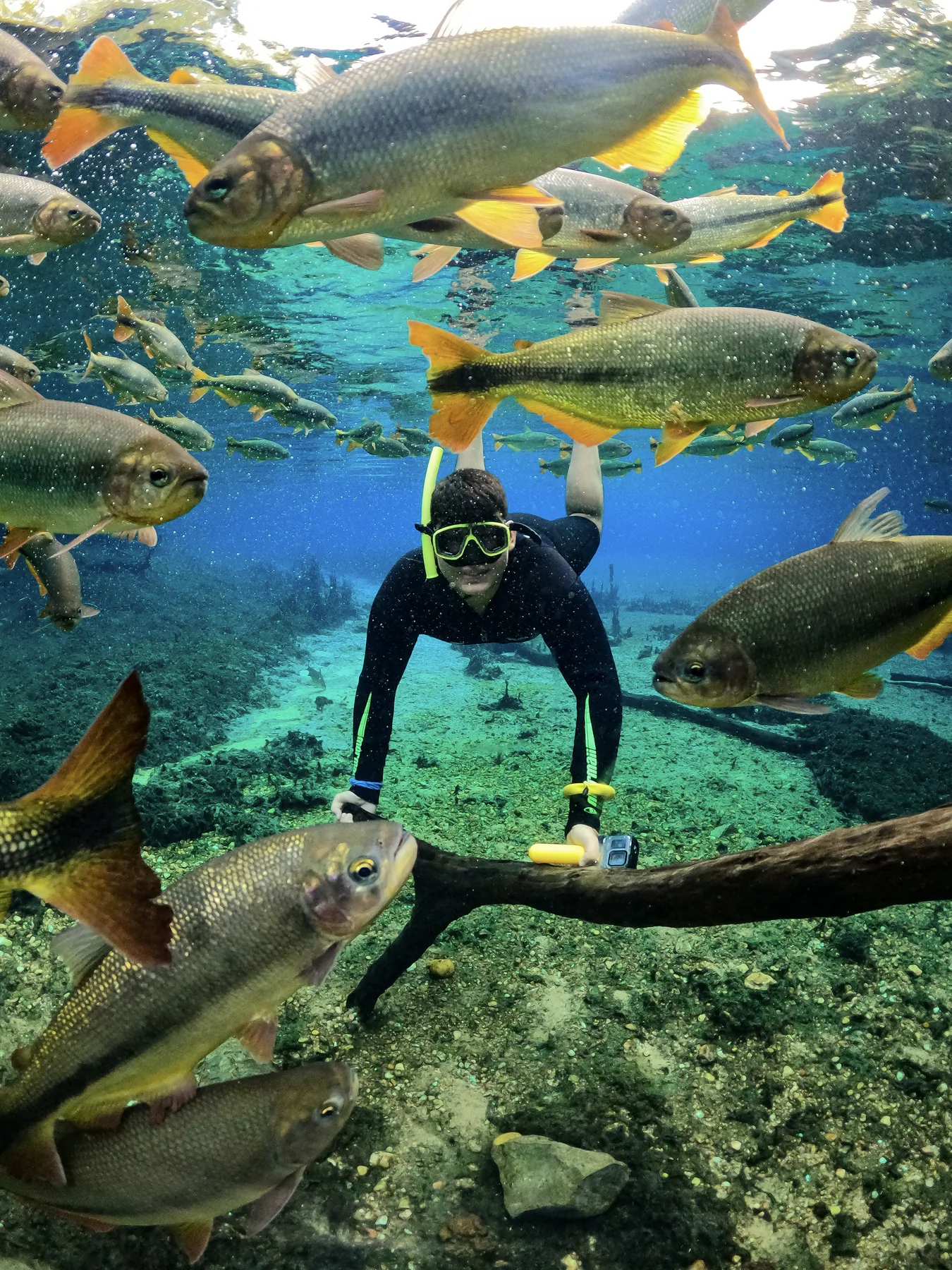
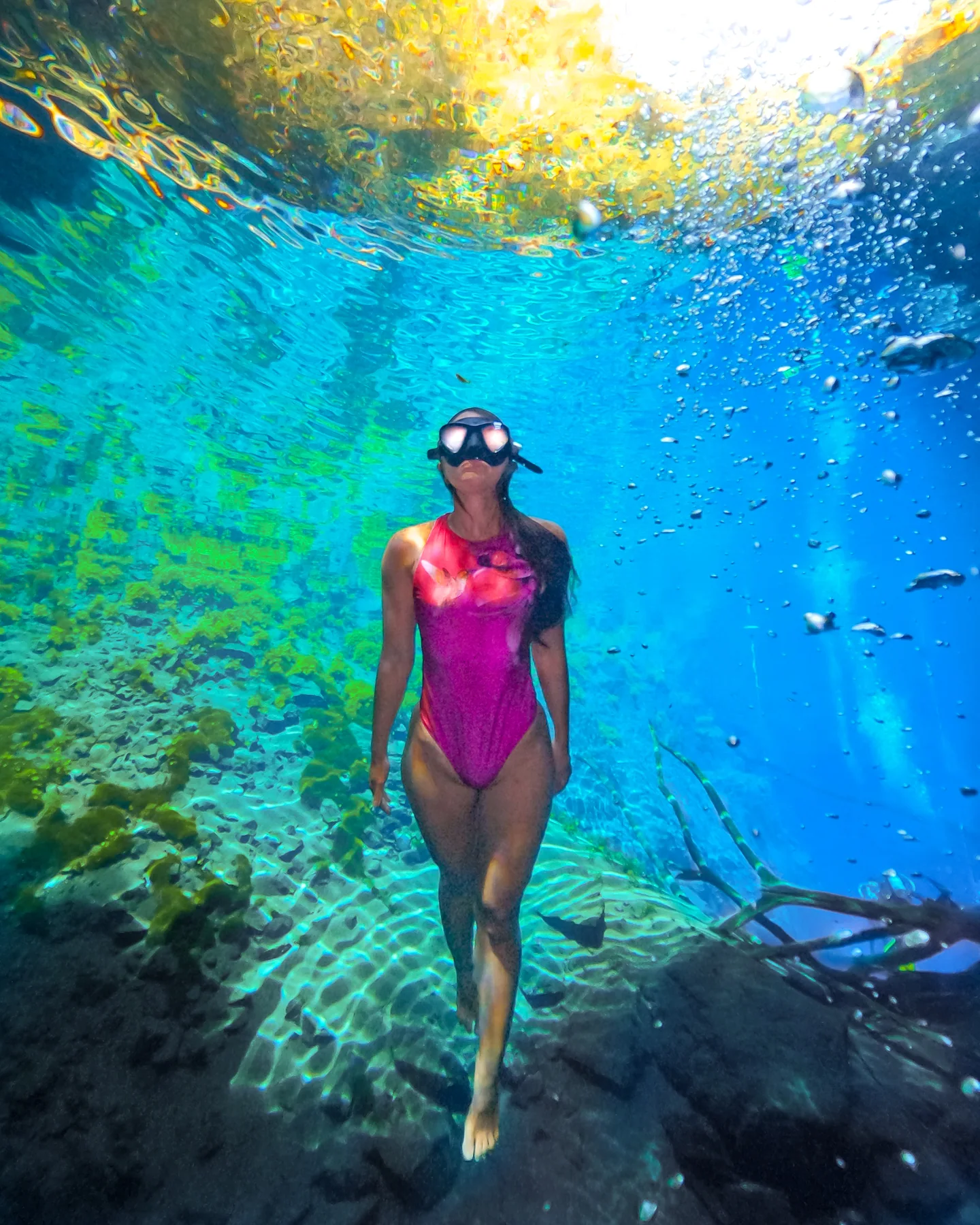
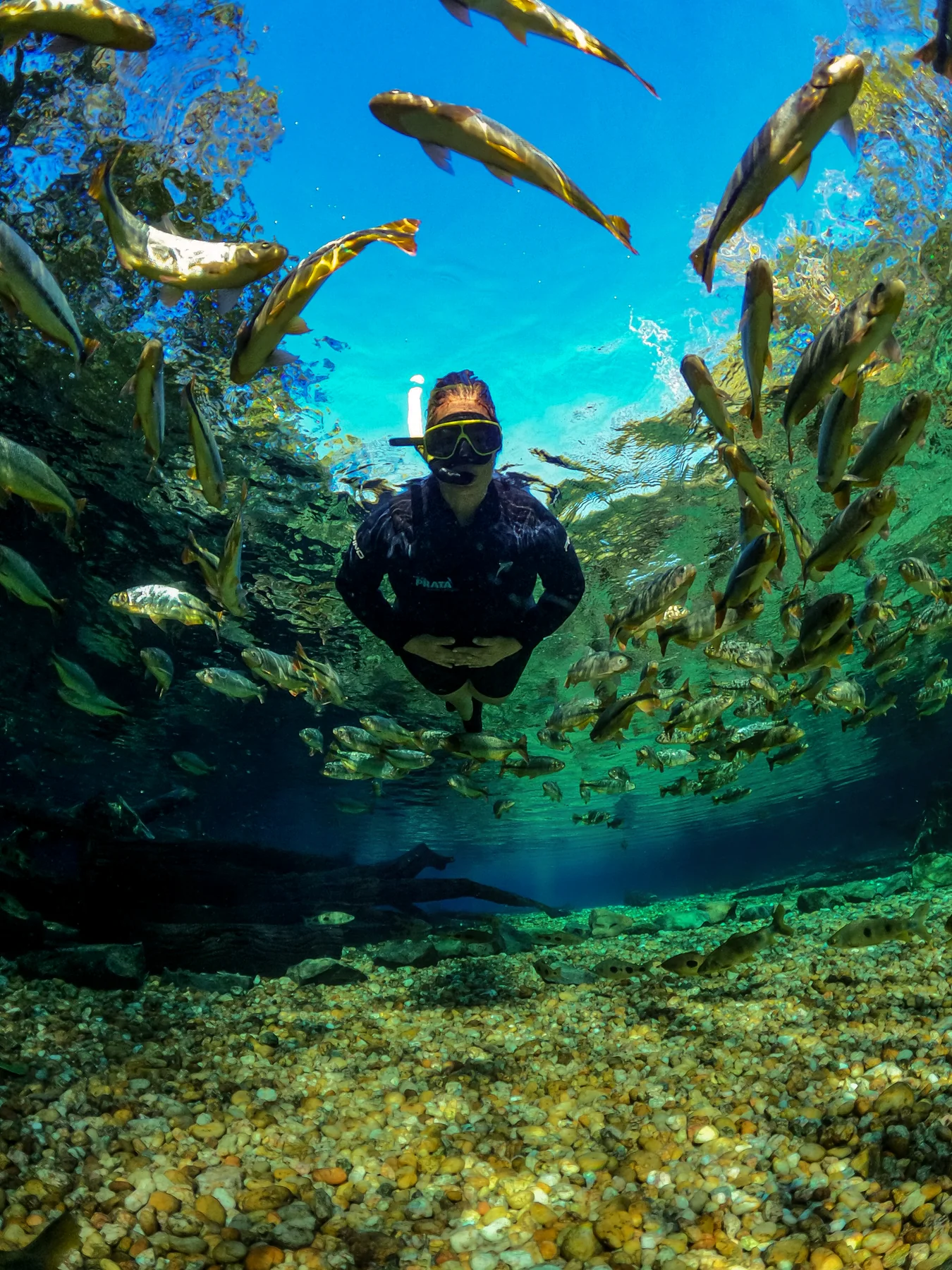
When swimming, you use your arms and legs to move. Tourist snorkeling has a different aim: lie on the surface, breathe through a snorkel and observe what happens below. The current may carry you along part of the route, while gentle movements help maintain your position.
The less you disturb the water, the better the viewing tends to be and the less effort is needed. Initial guidance is therefore about more than safety: it also teaches the most comfortable way to experience the landscape.
What helps your body stay on the surface?
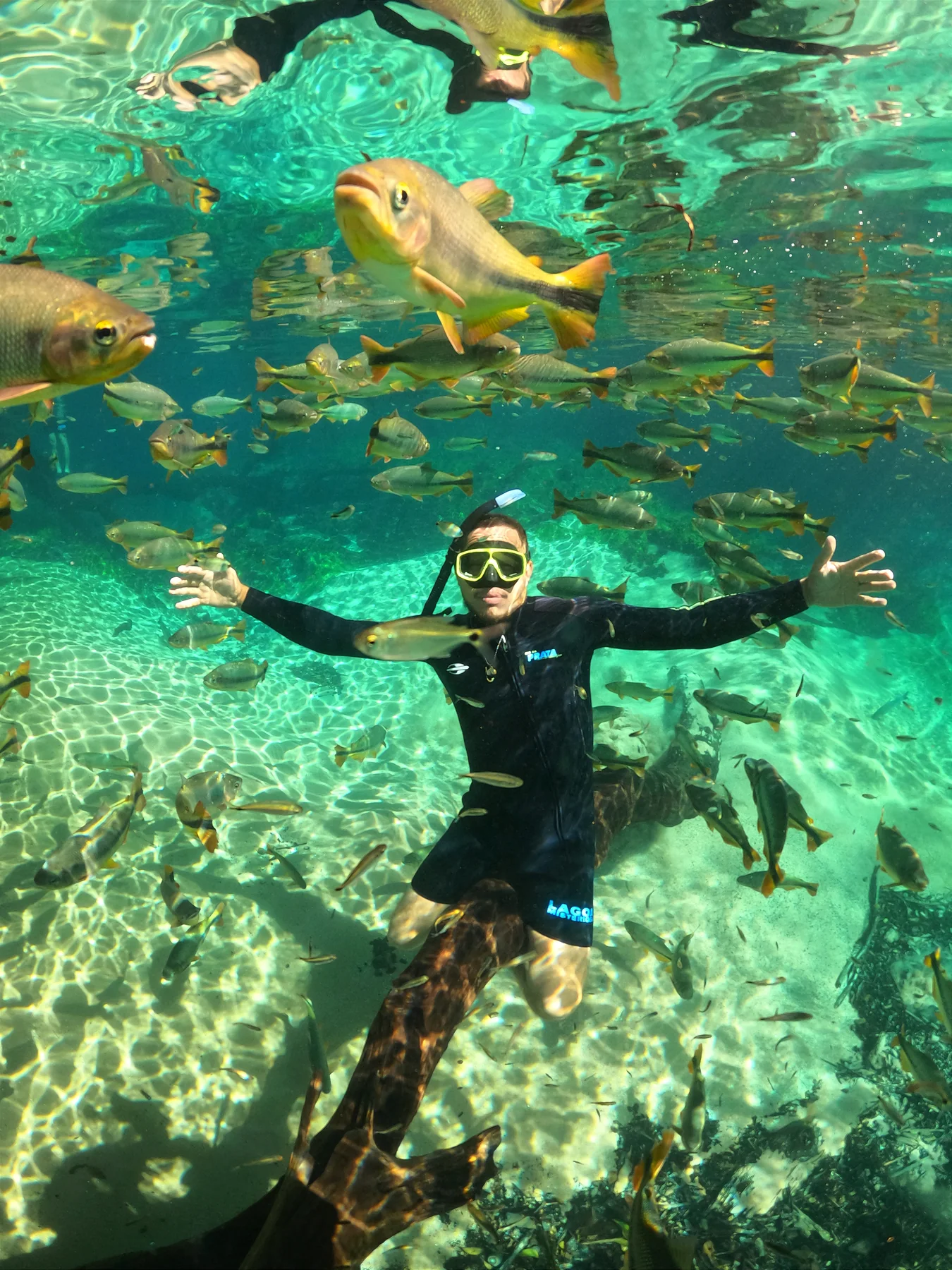
Equipment varies by activity but may include a wetsuit, flotation vest, mask and snorkel. The suit and vest contribute to buoyancy, while the mask lets you look with your face in the water and the snorkel lets you breathe without repeatedly lifting your head.
Before entering the natural environment, the group receives instructions on equipment use, posture, communication and conduct. The guide accompanies the experience and should be told immediately about any discomfort or uncertainty.
Can I participate if I am afraid of water?
Fear and an inability to swim are not the same. Some non-swimmers feel comfortable once they notice the equipment's support; others need more time or assistance, or may decide an activity is not right for them at that moment.
The best approach is to be open from the time of booking. Explain if you have never used a snorkel, avoid deep water or have had an uncomfortable experience. This helps the team provide responsible guidance without false promises.
What to mention before booking
- Your familiarity and comfort level in the water.
- The ages and mobility needs of people in your group.
- Health conditions, pregnancy, recent surgery or other relevant restrictions.
- Any need for specific equipment or assistance.
- Whether you have chosen snorkeling or diving — these experiences have different requirements.
A safe experience starts before the water
Choosing an activity that suits you does not diminish the adventure. Quite the opposite: communicating questions and limits leaves more room to watch the fish, appreciate the clear water and keep the memories that matter.
Rules may vary between tours and change with operating conditions. Always confirm current information with the responsible team and follow the guide's instructions throughout the experience.
Confidence to enjoy the experience
Your questions are part of planning too.
Talk to our team, share how comfortable you feel in the water and discover which activity suits you.
Ask about snorkeling ↗